

One of the most valuable life skills to develop in young people is independence. Figuring out how to teach independence in a meaningful, lasting way can be challenging in a traditional classroom setting. However, student travel provides a unique opportunity to build confidence, responsibility, and self-reliance through real-world experiences.
Why Travel Encourages Independence
Travel naturally places students outside of their comfort zones. Whether navigating a new city, adapting to a different culture, or managing a daily schedule in an unfamiliar environment, students are encouraged to think for themselves and make decisions independently.
This is why educational travel is such an effective wayto teach independence. Instead of being told what to do at every step, students are guided to take ownership of their experiences. They learn to problem-solve, communicate, and adapt, skills that are difficult to replicate in a classroom alone.
Learning Through Real-World Responsibility
One of the key ways travel builds independence is through responsibility. On a student travel program, participants are often expected to:
- manage their time
- keep track of personal belongings
- follow itineraries
- communicate with peers and leaders
These small responsibilities add up quickly. Over time, students begin to rely less on constant direction and more on their own judgment. This shift is essential when considering how to teach independence in a way that sticks beyond the experience itself.
Building Confidence Through New Experiences
Independence and confidence go hand in hand. As students successfully navigate new situations, whether it’s ordering food in another language, participating in group discussions, or exploring a new environment, they begin to trust their own abilities.
Travel also encourages students to step into unfamiliar roles. They may take initiative in group settings, contribute ideas, or support their peers. These experiences help them develop a stronger sense of self and a willingness to take on challenges in the future.
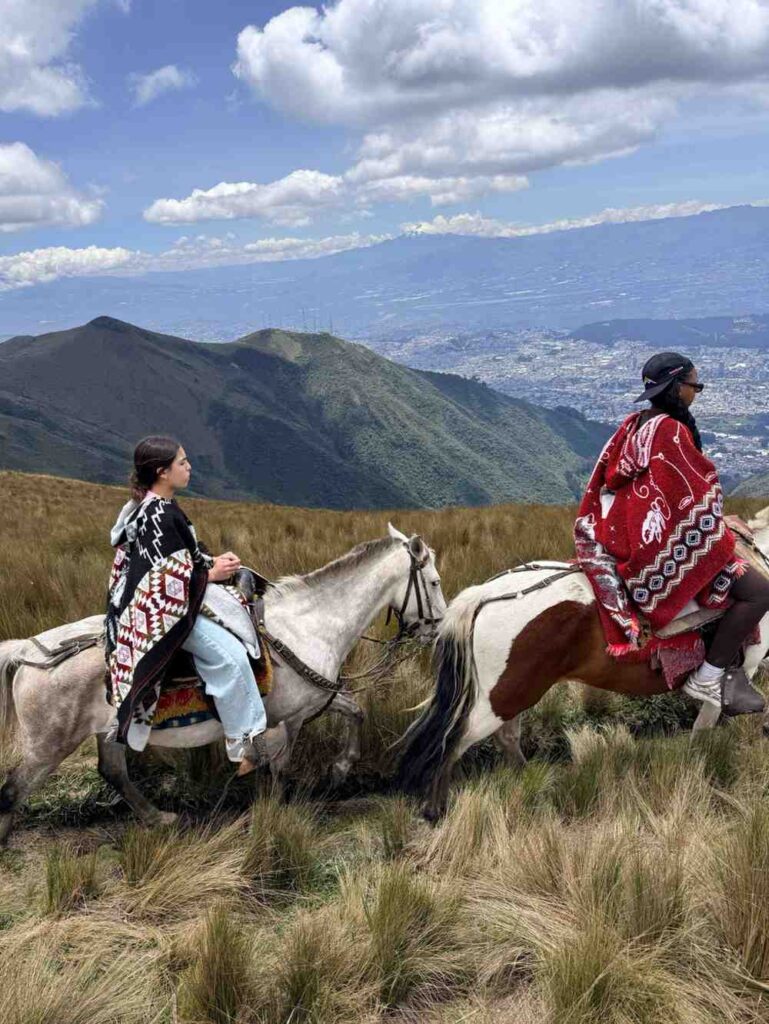
Developing Global Awareness and Perspective
Another important aspect of independence is understanding the world beyond one’s immediate environment. Travel exposes students to different cultures, perspectives, and ways of life, encouraging them to think more critically and independently.
By engaging with new environments, students begin to form their own viewpoints and develop a deeper awareness of global issues. This broader perspective is a key component of personal growth and independence.
A Lasting Impact Beyond the Trip
The benefits of student travel don’t end when the trip is over. The independence students develop continues to influence their academic, personal, and professional lives.
They return home with greater confidence, improved decision-making skills, and a stronger sense of responsibility. These qualities help them succeed in school, build relationships, and prepare for future opportunities.
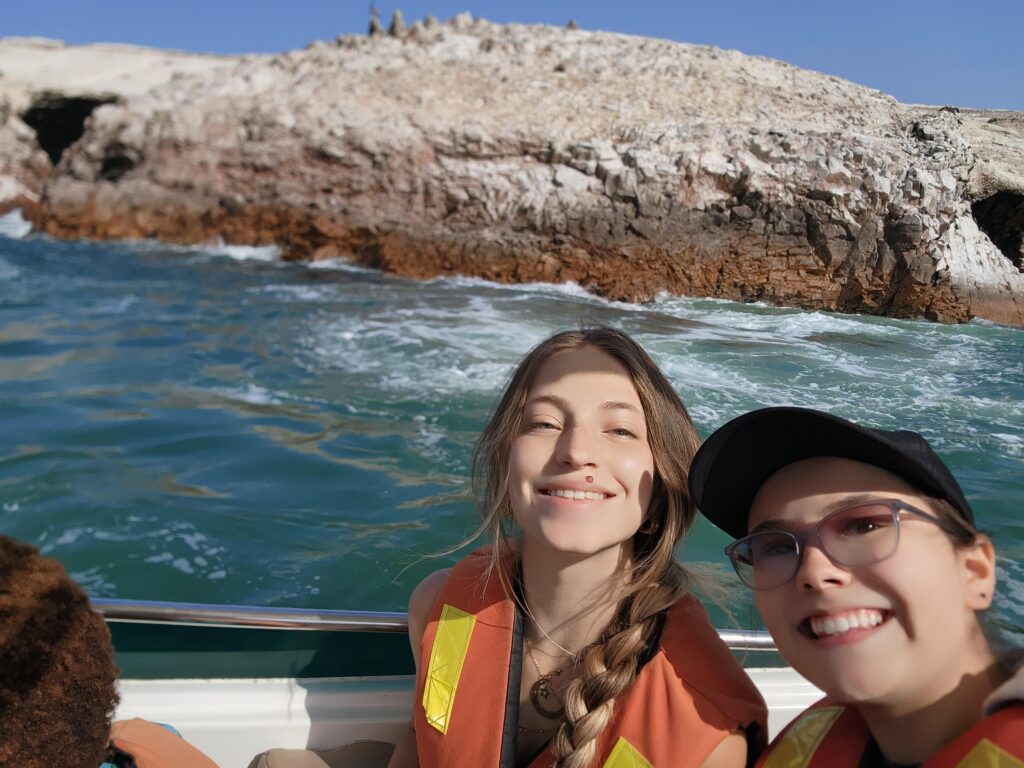
Why Travel Is One of the Best Ways to Teach Independence
Ultimately, travel provides a hands-on, immersive route for any educators wondering how to teach independence. It allows students to learn by doing, rather than simply being told.
Through guided experiences, real-world challenges, and meaningful interactions, student travel programs create an environment where independence can grow naturally. For educators and parents looking to prepare students for the future, there are few tools as powerful as experiential learning through travel.
At Engaged Education, we are committed to enhancing education through transformative travel experiences. To learn more about how our programs can support teaching independence, download our brochure today!