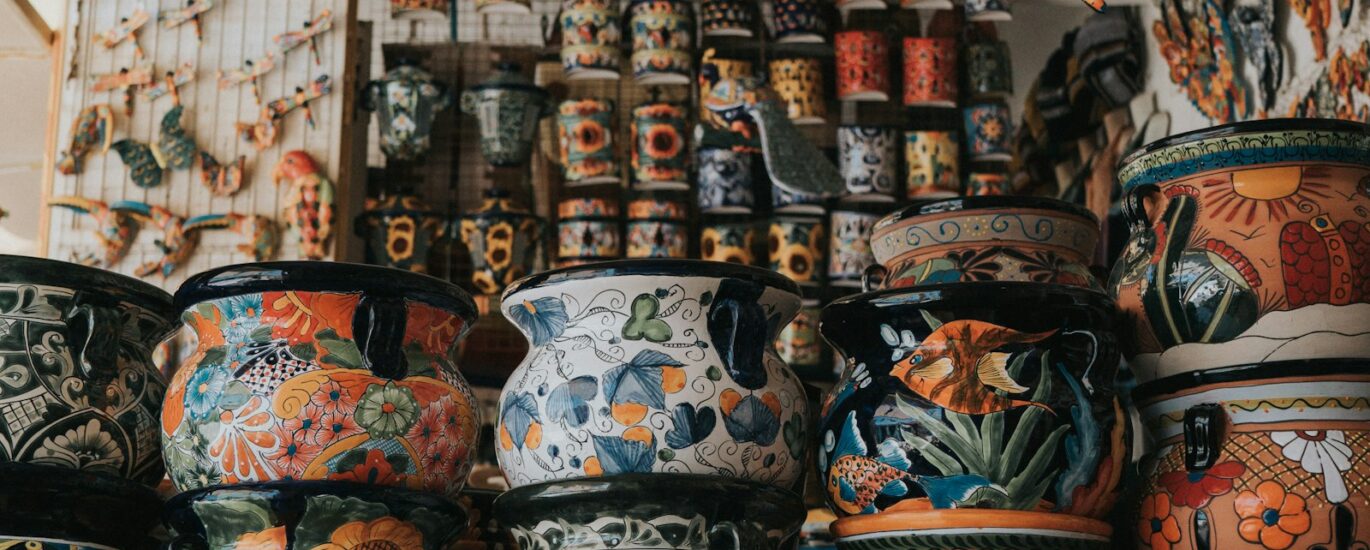
Thousands of ceramic faces stare back from glass shelves. Gold crowns and earrings glow under soft lights. Woven textiles that are over a thousand years old still show bright colors. The Larco Museum in Lima holds one of the most important collections of ancient Peruvian art in the world. For students, it is a chance to see how cultures that flourished long before the Inca lived, worshiped and made art.
This guide covers the history of the Larco Museum, the highlights students should look for and practical tips for teachers. You’ll also find classroom activities and vocabulary to prepare students. Lima’s museums are part of day four of Engaged Education’s Lima language immersion program, which focuses on the city’s history.
The history of the Larco Museum
The museum was founded in 1926 by Rafael Larco Hoyle, a Peruvian archaeologist and collector. He named it after his father, Rafael Larco Herrera, who had begun collecting ancient objects. Larco Hoyle studied the cultures of northern Peru and developed ways to date and classify Moche ceramics that archaeologists still discuss.
The museum is located in the district of Pueblo Libre. It occupies an 18th-century colonial mansion, which was built on top of a pre-Columbian pyramid. Its gardens, full of flowering vines, are a calm place to pause during a visit. The museum also has a café, which can be useful for groups planning a break.
What students can see at the Larco Museum
The collection includes tens of thousands of objects covering thousands of years of Peruvian history.
Moche portrait vessels
The Moche culture flourished on Peru’s northern coast before the Inca. Moche potters made realistic portrait vessels showing faces with different expressions, ages and features. Some faces may show specific individuals. Students can compare emotions and details across vessels.
Gold and silver
The museum displays crowns, ear ornaments, nose ornaments and chest pieces made from gold, silver and copper alloys. Ancient Andean metalworkers used sophisticated techniques to hammer, join and decorate metals.
Textiles
Andean weaving is one of the oldest textile traditions in the world. The museum’s textiles show complex patterns, natural dyes and symbols. Our guide to Peruvian textiles explains these traditions.
Visible storage
Unlike many museums, the Larco lets visitors walk through rooms of storage shelves filled with thousands of ceramic pieces. Students see how large the collection is and how objects are organized by culture and theme.
A note for teachers
The museum also has a separate gallery of ancient pottery with sexual themes. Teachers should plan the visit route in advance and follow school guidelines.
Cultures represented in the collection
- Cupisnique: An early culture from the northern coast, known for stone and ceramic art.
- Moche: Famous for portrait vessels and detailed painted scenes.
- Nasca: Known for colorful ceramics and the Nazca Lines.
- Wari: A highland empire that came before the Inca.
- Chimú: A northern kingdom with a large adobe capital at Chan Chan.
- Inca: The empire that ruled the Andes when the Spanish arrived.
Our post on ancient northern Peru gives more background.
Classroom activities
- Timeline: Students build a timeline of ancient Peruvian cultures.
- Portrait vessel study: Show images of Moche portrait vessels. Students describe each face and guess the person’s role or mood.
- Museum scavenger hunt: Create a list of objects for students to find and describe in Spanish.
- Museum ethics: Discuss how private collections are formed and how museums care for cultural heritage.
- Vocabulary: la cerámica, la vasija, el oro, la plata, el tejido, la cultura prehispánica.
Museums on the Lima language immersion program
On day four of Engaged Education’s 8-day Lima program, students explore Lima’s historic center and its museums, including the Lugar de la Memoria (LUM). Specific museum stops can vary, so teachers can ask our team about options that fit their curriculum. An optional evening visit to the Magic Water Circuit follows. Students also take a first walk in Miraflores, home to the adobe pyramid of Huaca Pucllana. Later in the week, they explore Barranco, complete a market challenge and cooking class and visit MEDLIFE partner communities to learn about global health while practicing Spanish.
FAQ
What is the Larco Museum known for?
The Larco Museum is known for its collection of ancient Peruvian art, especially Moche portrait vessels, gold and silver objects and textiles.
Where is the Larco Museum?
The Larco Museum is in the Pueblo Libre district of Lima, in an 18th-century mansion built on top of a pre-Columbian pyramid.
Who founded the Larco Museum?
Rafael Larco Hoyle founded the museum in 1926 and named it after his father, Rafael Larco Herrera.
Explore ancient Peru with your class
The Larco Museum helps students see the art and achievements of Peru’s ancient cultures up close. Our Language Immersion program in Lima includes a day exploring the historic center and museums. Fill out our form to learn more.
Start your journey by downloading the Engaged Education Brochure and learn more about our immersive programs in Peru, Spain, and beyond. Interested in creating lasting impact around the world? You can directly assist communities in need by becoming a monthly donor through MEDLIFE’s Moving Mountains initiative.