In November 1780, a local Indigenous leader in the highlands near Cusco arrested a Spanish official and began one of the largest uprisings in the history of colonial Spanish America. His name was José Gabriel Condorcanqui, but he called himself Túpac Amaru II, after the last Inca ruler of Vilcabamba. Today, Túpac Amaru II is a powerful symbol in Peru, and his story is essential for understanding colonial history and Indigenous resistance in the Andes.
This guide explains who Túpac Amaru II was, why the rebellion began and how it ended. You’ll learn about Micaela Bastidas, his wife and fellow leader, and the rebellion’s lasting legacy. You’ll also find classroom ideas for history and Spanish. The story connects directly to Cusco’s Plaza de Armas, which students visit on Engaged Education’s Cusco language immersion program.
Who was Túpac Amaru II?
José Gabriel Condorcanqui was born in 1738 in the province of Tinta, south of Cusco. He was a kuraka, a local Indigenous leader responsible for his community. He was educated, spoke Quechua and Spanish and worked in the mule trade, which carried goods across the Andes.
He claimed descent from Túpac Amaru I, the last ruler of the Inca state in Vilcabamba, who was executed by the Spanish in 1572. Taking the name Túpac Amaru II connected his movement to Inca history.
Why the rebellion began
By the late 18th century, Indigenous communities in the Andes faced heavy burdens under Spanish rule:
- The mita: Forced labor, especially in mines such as Potosí.
- The reparto: A system that forced communities to buy goods from Spanish officials at high prices.
- New taxes: Reforms under the Spanish crown increased taxes and customs duties.
- Abuse by officials: Local Spanish administrators, called corregidores, often abused their power.
Túpac Amaru II first tried legal channels to seek reforms. When those failed, he turned to rebellion.
The rebellion of 1780–1781
The beginning
On November 4, 1780, Túpac Amaru II captured the corregidor Antonio de Arriaga. After a public trial, Arriaga was executed. The rebellion spread quickly through the southern Andes.
Early victories
The rebels won a battle at Sangarará in November 1780. Thousands of Indigenous people, mestizos and others joined the movement.
Micaela Bastidas
Micaela Bastidas, Túpac Amaru II’s wife, was a key leader. She organized supplies, communications and troops and gave military advice. She is remembered today as a heroine of Peruvian history.
Defeat and execution
The rebels tried to take Cusco in early 1781 but failed. Spanish forces captured Túpac Amaru II, Micaela Bastidas and their family in April 1781. On May 18, 1781, they were executed in Cusco’s main square in a brutal public punishment meant to frighten others. The uprising continued for a time under other leaders, including Túpac Katari in what is now Bolivia.
The legacy of Túpac Amaru II
- A symbol of resistance: Many Peruvians see him as a forerunner of independence and a defender of Indigenous rights.
- Debate among historians: Historians discuss whether he sought independence or reforms within the Spanish system.
- Public memory: Statues, streets and public places across Peru carry his name. His image has been used by many political movements over the years.
Teaching Túpac Amaru II in class
- Primary sources: Read translated excerpts from his proclamations and discuss his demands.
- Cause and effect: Students map the causes of the rebellion and its consequences.
- Women in history: Research Micaela Bastidas and compare her with other women leaders in independence movements.
- Compare rebellions: Compare the rebellion with other uprisings of the same era in the Americas.
- Vocabulary: la rebelión, el cacique / kuraka, los impuestos, la resistencia, la ejecución.
For more context, see our Inca Empire facts and our post on Peru Independence Day.
Cusco’s Plaza de Armas on the language immersion program
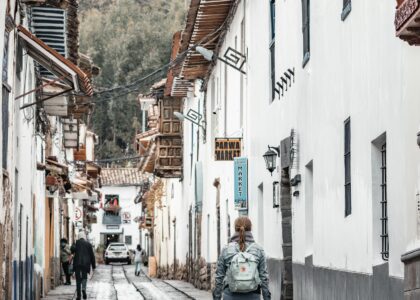
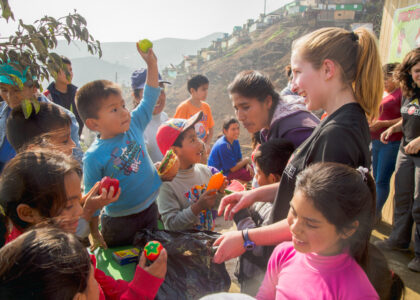
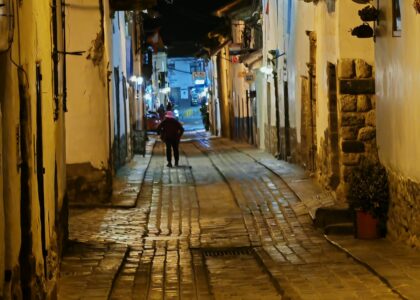
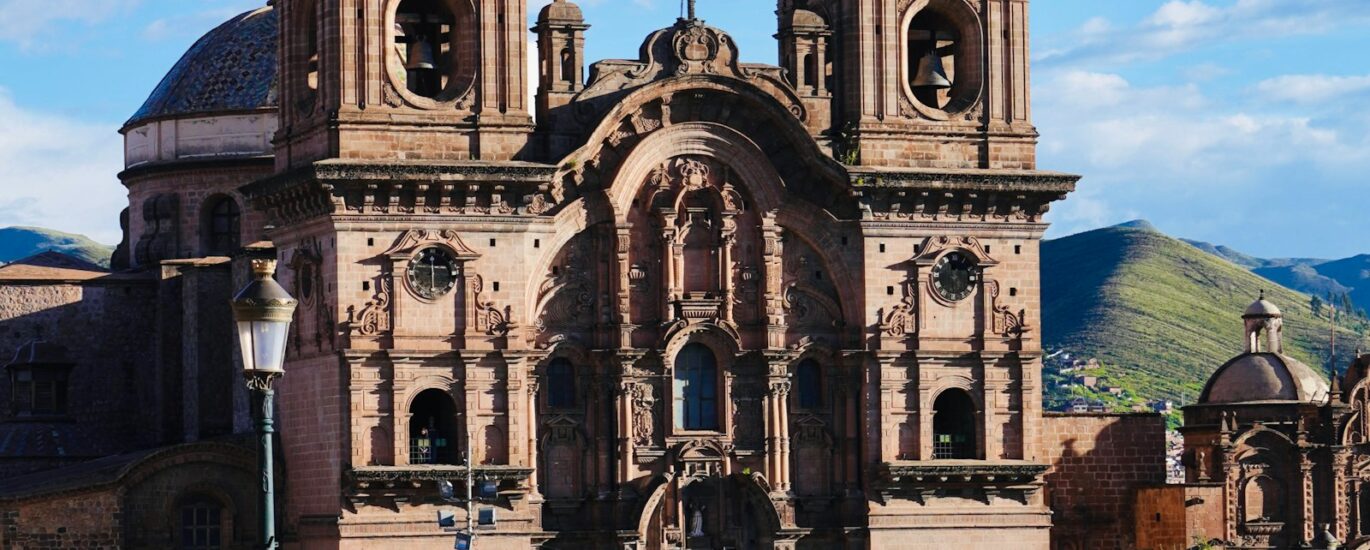
On Engaged Education’s 8-day Cusco program, students walk through Cusco on day two and explore the historic center on day three. The Plaza de Armas, where Túpac Amaru II was executed, is at the heart of that visit. The same day includes Sacsayhuaman, Puca Pucara and Tambomachay. Later, students visit MEDLIFE partner communities, the Sacred Valley and Machu Picchu. Our guide to Cusco’s Plaza de Armas adds context.
FAQ
Who was Túpac Amaru II?
Túpac Amaru II was José Gabriel Condorcanqui, an Indigenous leader from near Cusco who led a major rebellion against Spanish colonial rule in 1780–1781.
Why did Túpac Amaru II rebel?
He rebelled against forced labor, forced sales of goods, new taxes and abuses by Spanish officials against Indigenous communities.
Who was Micaela Bastidas?
Micaela Bastidas was Túpac Amaru II’s wife and a key leader of the rebellion. She was executed with him in Cusco in 1781.
Explore Andean history with your class
Túpac Amaru II helps students understand colonial Peru and the struggle for Indigenous rights. Our Language Immersion program in Cusco combines Spanish lessons with visits to the historic center and Inca sites. Fill out our form to learn more.
Start your journey by downloading the Engaged Education Brochure and learn more about our immersive programs in Peru, Spain, and beyond. Interested in creating lasting impact around the world? You can directly assist communities in need by becoming a monthly donor through MEDLIFE’s Moving Mountains initiative.