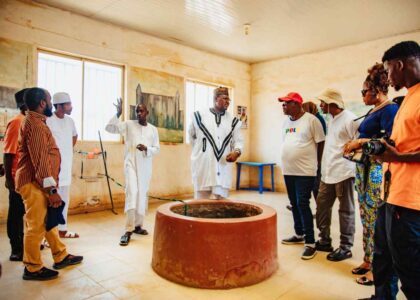


A group of high school students stood at the edge of a cloud forest in Ecuador, listening to a local environmental guide explain how climate, biodiversity, and conservation impact nearby communities. Earlier that week, the same students had participated in conversations with local educators, explored Indigenous history, and reflected on how interconnected global challenges affect everyday life.
Experiences like these show why thoughtfully designed student travel programs continue to grow in popularity among students, parents, and educators alike. In 2026, educational travel is becoming more intentional, immersive, and community-centered. Students are looking for experiences that combine cultural exchange, hands-on learning, leadership development, and ethical engagement.
The best travel experiences are no longer built around tourism alone. Today’s strongest programs encourage students to learn directly from local communities while developing independence, communication skills, and global awareness.
At Engaged Education, educational travel is rooted in collaboration, reflection, and long-term impact. Programs are designed to help students understand culture, sustainability, healthcare, education, and community development through meaningful experiences led alongside local partners.

Why Student Travel Programs Matter in 2026
Students today are entering a rapidly changing world shaped by globalization, environmental challenges, public health concerns, and cultural interconnectedness. Educational travel helps students build adaptability and confidence while learning how to navigate unfamiliar environments respectfully.
Unlike traditional vacations, immersive educational experiences encourage students to participate actively in what they are learning. Through immersive student travel programs, students apply classroom concepts to real-world situations while developing communication and problem-solving skills.
Many educators and parents are also recognizing the long-term academic benefits of travel. Programs focused on service learning, cultural immersion, and global leadership can help students develop stronger college applications, broader perspectives, and increased self-confidence.
As discussed in Engaged Education’s article on how educational travel adventures enhance college applications, students often gain valuable experiences that demonstrate initiative, curiosity, and leadership.

The Best Travel Programs for High School Students Focus on Meaningful Learning
The most impactful travel programs for high school students go beyond sightseeing. They create opportunities for students to engage directly with culture, history, language, sustainability, and local communities.
For students interested in environmental science and conservation, Ecuador and the Galápagos Islands continue to stand out in 2026. Programs centered around Galapagos Islands tours allow students to learn about biodiversity, ecosystems, and conservation efforts through direct observation and guided educational experiences.
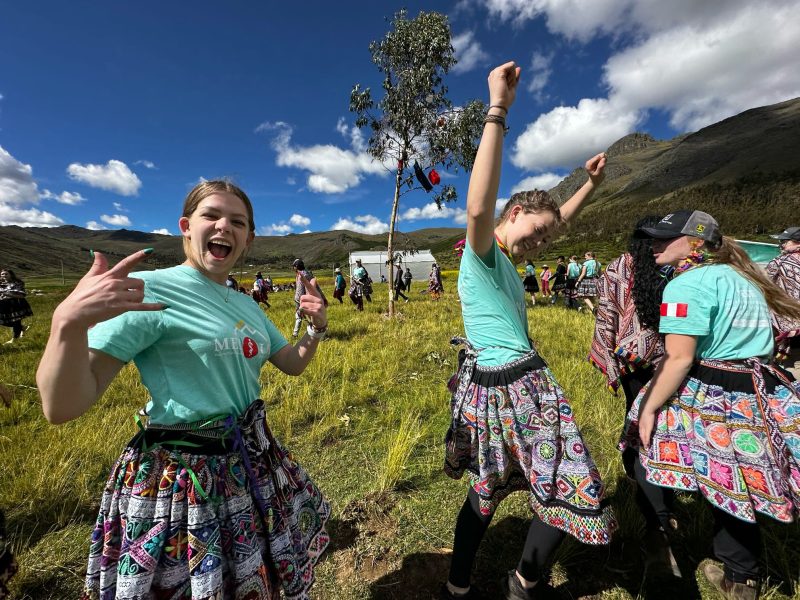
Students interested in cultural immersion and history may be drawn toward Peru, where educational programs often combine historical exploration with community engagement. Experiences such as discovering Peru’s culture help students understand Indigenous traditions, Andean ecology, and contemporary social challenges.
For students exploring European educational travel, a Spain student travel program offers opportunities to study architecture, history, language, and cultural identity through firsthand experiences in cities like Barcelona and Madrid.
Programs rooted in experiential learning encourage students to become active participants rather than passive observers.
Ethical Service Learning Is Reshaping High School Student Travel Programs
Many families are searching for high school student travel programs that include volunteering or service learning opportunities. However, students and educators are also becoming more aware of the importance of ethical engagement.
Responsible educational travel should never position students as people arriving to “fix” communities. Instead, ethical service learning emphasizes humility, listening, collaboration, and long-term partnerships.
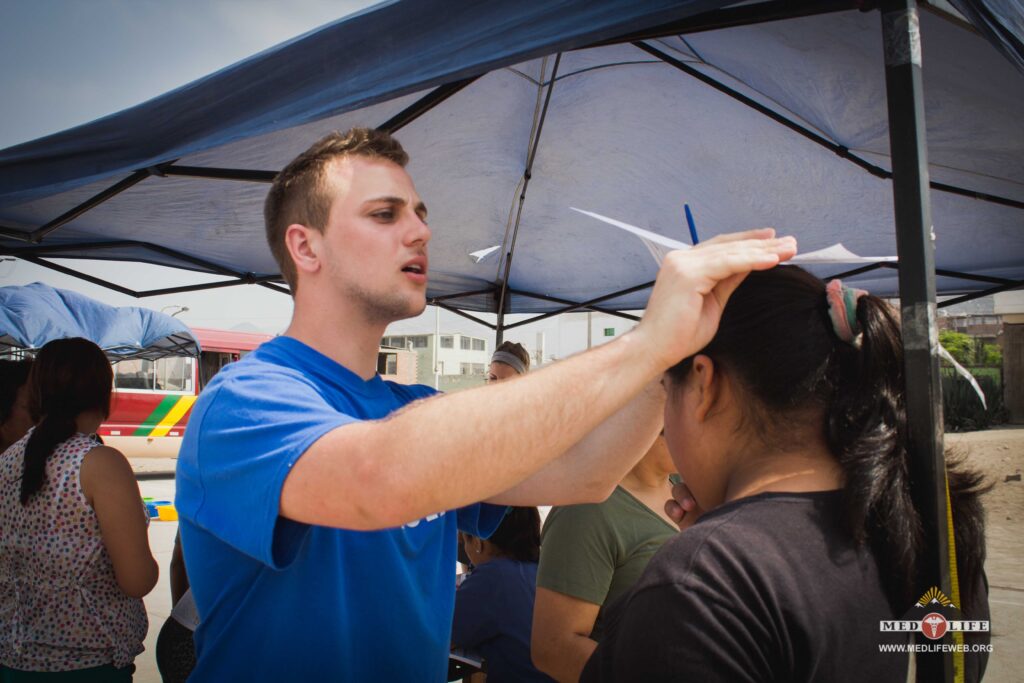
At MEDLIFE and Engaged Education, programs are built around community-led initiatives and partnerships with local staff, healthcare professionals, and educators. Students participate in learning experiences that support existing community priorities rather than temporary volunteer projects.
Students can better understand this distinction by exploring service learning vs study abroad, which explains how service learning combines education, reflection, and long-term community engagement.
Programs that prioritize ethical learning also help students think more critically about sustainability, healthcare access, education systems, and cultural exchange.
Leadership and Independence Through Educational Travel
One reason educational travel continues to grow is that it helps students develop confidence and independence outside the classroom.
Travel often requires students to navigate new environments, collaborate with peers, communicate across cultures, and adapt to unfamiliar situations. These experiences naturally strengthen leadership and teamwork skills.
Students participating in leadership travel programs frequently gain experience managing responsibilities, solving problems, and supporting their peers throughout the trip.
Educational travel can also help students become more independent and self-aware. Programs focused on teaching independence through travel encourage students to step outside their comfort zones while learning how to communicate respectfully and responsibly.
These experiences often leave a lasting impact that extends far beyond the trip itself.

Safety and Preparation Remain Essential
Parents and educators naturally want reassurance that educational travel experiences are safe, organized, and well-supported.
Strong student travel organizations prioritize preparation, communication, and structured support systems before and during each trip. Programs should provide trained staff, clear itineraries, safety protocols, and culturally informed guidance.
Resources like safe student travel programs and travel safety tips for students can help families understand what responsible educational travel should look like.
Preparation also plays a major role in creating successful experiences. Students preparing for service-learning experiences can benefit from guides about volunteer travel preparation, cultural sensitivity, and ethical engagement.
When students feel prepared and supported, they are more likely to fully engage in the learning experience.
Why Latin America Continues to Lead Educational Travel in 2026
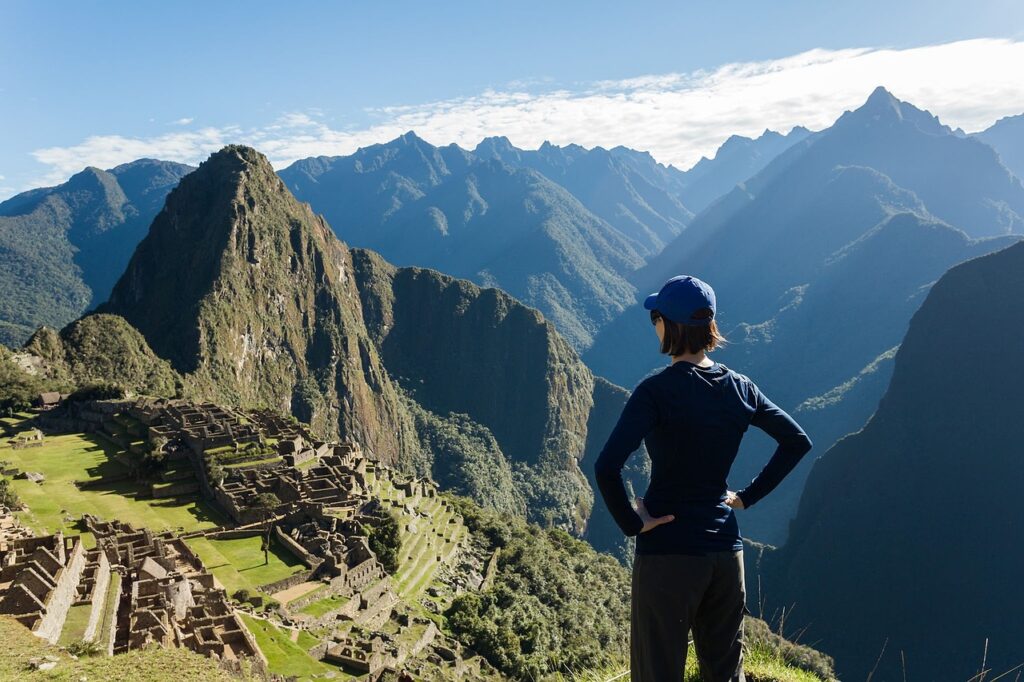
Latin America remains one of the most meaningful destinations for educational travel because of its cultural diversity, ecological richness, and opportunities for immersive learning.
Programs across Peru, Ecuador, Costa Rica, and Mexico allow students to explore history, biodiversity, language, and social impact through direct engagement with local communities.
Experiences like educational teen tours introduce students to historical landmarks, language immersion opportunities, and environmental education in ways that traditional classrooms cannot fully replicate.
Students can also explore top educational travel destinations to compare programs based on academic interests, cultural experiences, and sustainability goals.
For many students, these experiences become the foundation for future academic interests, career paths, and global engagement.
Engaged Education - Transformative Educational Travel Experiences
The best student travel programs in 2026 are designed to help students grow academically, personally, and socially through ethical and immersive learning experiences.
Whether students are exploring biodiversity in the Galápagos Islands, learning about Indigenous traditions in Peru, participating in cultural exchange programs in Spain, or engaging in service learning alongside local communities, educational travel offers opportunities that extend far beyond tourism.
At Engaged Education, programs are built around collaboration, cultural understanding, reflection, and long-term community partnerships.
If you are interested in meaningful educational travel opportunities, download the Engaged Education brochure to explore upcoming programs for 2026.
You can also support sustainable, community-driven initiatives by becoming a monthly donor to MEDLIFE. Your support helps fund long-term healthcare, education, and development projects in low-income communities.