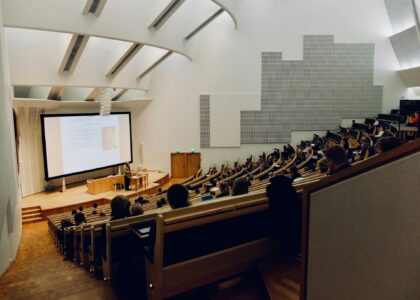


A student from Canada sits around a table with students from Spain, discussing how their communities celebrate holidays. Later that afternoon, they work together to solve a challenge, share ideas, and learn from each other’s perspectives. What began as a simple conversation becomes a meaningful lesson in communication, understanding, and collaboration.
Experiences like these highlight the power of cross cultural learning. In a world where people from different backgrounds increasingly live, work, and collaborate together, learning about other cultures has become an essential part of education.
For teens, cross-cultural experiences do more than expand knowledge. They help develop empathy, confidence, communication skills, and a broader understanding of the world.
What Is Cross Cultural Learning?
At its core, cross cultural learning is the process of gaining knowledge, understanding, and appreciation for cultures that differ from our own.
This learning can happen in many ways:
- Traveling to another country
- Participating in cultural exchange programs
- Studying a foreign language
- Engaging with diverse communities
- Learning alongside people from different backgrounds
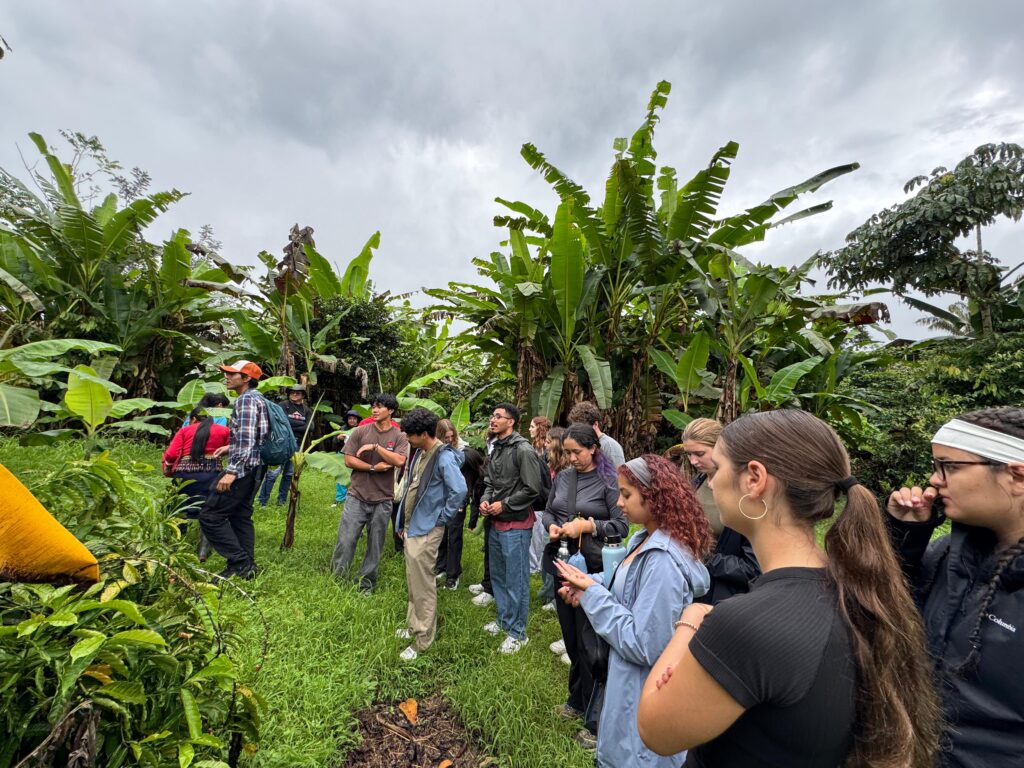
Sometimes the most meaningful lessons come from simple interactions. A conversation over a meal, a shared activity, or even working on a shared project with peers from other countries can challenge assumptions and open new ways of thinking.
These experiences encourage students to move beyond stereotypes and develop a deeper understanding of the people and cultures around them.
Why Is It Important to Learn About Other Cultures?
One of the most common questions educators and parents ask is: why is it important to learn about other cultures?
The answer is simple. Understanding different cultures helps students better understand both the world and themselves.
When teens engage with people whose experiences differ from their own, they begin to recognize that there are many valid ways of thinking, communicating, and solving problems.
This understanding helps students:
- Develop empathy
- Become better listeners
- Appreciate different perspectives
- Improve communication skills
- Build stronger relationships
These qualities contribute to greater cultural competence, an increasingly valuable skill in today’s interconnected world.

Cross Cultural Learning Builds Global Awareness
Teenagers today are growing up in a world that is more connected than ever before.
Major challenges such as climate change, public health, technology, and economic development often extend beyond national borders. Understanding these issues requires students to think globally.
Through cross-cultural experiences, students develop stronger global awareness and gain a better understanding of how people from different countries experience the world.
This awareness helps students:
- Recognize global connections
- Understand international perspectives
- Appreciate cultural diversity
- Think critically about complex issues
Rather than viewing the world through a single lens, students learn to consider multiple viewpoints and approaches.

How Cross Cultural Experiences Develop Leadership Skills
Effective leaders know how to communicate with people from different backgrounds.
Whether in school, university, or future careers, the ability to collaborate across cultures is becoming increasingly important.
Cross-cultural experiences naturally strengthen leadership skills because students are often placed in unfamiliar situations that require adaptability, communication, and problem-solving.
For example, students may need to:
- Navigate language differences
- Work in diverse teams
- Adapt to unfamiliar environments
- Resolve misunderstandings respectfully
- Support peers with different perspectives
These experiences build confidence while teaching students how to lead with empathy and understanding.
Why Is It Important to Learn About Different Cultures?
Another important question is: why is it important to learn about different cultures?
Learning about different cultures helps students recognize their role within a larger global community.
When young people engage meaningfully with different cultures, they often develop a stronger sense of responsibility toward others and a greater appreciation for diversity.
These experiences support the development of global citizenship by encouraging students to think about how their actions affect the broader world.
Students begin to understand that being a responsible citizen means more than participating locally—it also means respecting and understanding people across cultures and borders.
Learning Beyond the Classroom
Many of the most impactful lessons happen outside traditional academic settings.
While textbooks can teach facts about history, geography, and culture, personal experiences often create deeper and longer-lasting understanding.
Cross-cultural experiences allow students to learn beyond the classroom through direct interaction, observation, and reflection.
Educational travel programs provide opportunities for students to:
- Engage with local communities
- Practice language skills
- Explore historical landmarks
- Experience daily life in another culture
- Build meaningful relationships
These experiences transform learning from something students study into something they actively experience.
Why Teens Should Travel Abroad During High School
Many students discover that some of their most important personal growth occurs when they travel abroad during high school.
Travel encourages students to:
- Step outside their comfort zones
- Build independence
- Develop confidence
- Improve adaptability
- Strengthen communication skills
For many teens, international experiences become defining moments that influence future academic, personal, and career goals.
By navigating new environments and engaging with different cultures, students develop skills that continue to benefit them long after the trip ends.
The Lasting Value of Student Travel Programs
Well-designed student travel programs do more than introduce students to new destinations.
They create opportunities for personal growth, cultural understanding, and meaningful learning.
The benefits of cross-cultural learning extend far beyond travel itself. Students often return home with stronger communication skills, increased confidence, greater empathy, and a broader perspective on the world.
These experiences help prepare young people for success in an increasingly interconnected society.
Engaged Education - Transformative Educational Travel Experiences
Cross cultural learning helps students become more thoughtful, adaptable, and engaged members of a global community. By learning from people with different experiences and perspectives, teens gain skills that support both personal and academic growth.
Ready to explore the world through meaningful educational travel? Start your journey by downloading our Engaged Education Brochure and discover how immersive experiences can help students grow as learners and global citizens.
Interested in supporting long-term, sustainable community impact? You can directly assist communities in need by becoming a monthly donor through MEDLIFE’s Moving Mountains initiative.