
The Sacred Valley in Peru is a stretch of the Urubamba River north of Cusco. It was the farming heartland of the Inca Empire. Today it is lined with terraces, Inca ruins, and Andean towns where Quechua is still spoken every day.
This guide helps teachers and students prepare for a visit. You will learn where the valley is, why it mattered so much to the Inca, and which sites belong on a student itinerary. We focus on Pisac and Ollantaytambo, the two towns at either end of the valley. We also share practical tips for school groups and explain how the Sacred Valley fits into our Cusco language immersion program.
Where is the Sacred Valley of Peru?
The Sacred Valley, also called the Urubamba Valley, lies north of Cusco in the Andes. The Urubamba River runs through it. Upstream, the same river is known as the Vilcanota. Its Quechua name, Willkamayu, is usually translated as “sacred river.”
The core of the valley runs about 60 kilometers, from Pisac in the east to Ollantaytambo in the west. Near Pisac, the valley floor sits at about 3,000 meters, and it drops as the river flows west. Cusco sits higher, at about 3,400 meters. For many visitors, the valley feels warmer and greener than the city.
Why the valley mattered to the Inca
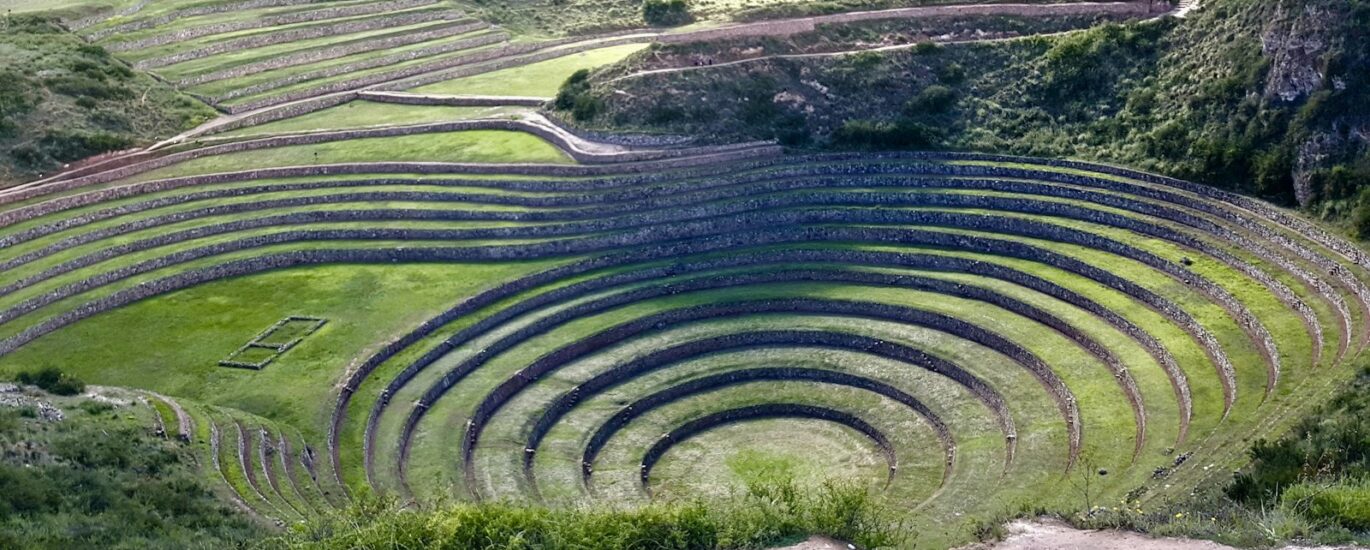
The lower, milder climate made the valley ideal for growing maize. Maize was a key crop in the Inca heartland. People used it for food and to make chicha, a fermented drink used in ceremonies. The Inca built irrigation canals and stepped terraces, called andenes, to farm the steep slopes.
The valley also linked Cusco with warmer lowland regions to the east. Goods such as coca leaves and chili peppers moved through it. Inca rulers built royal estates along the river. Machu Picchu, farther downstream, is believed to have been one of them.
Top Sacred Valley sites for students
Pisac
Pisac sits at the eastern end of the valley. Above the modern town stands a large Inca complex. Archaeologists link it to the ruler Pachacuti, around 1450.
The site has hundreds of agricultural terraces climbing the mountainside. Students can also see residential and ceremonial sectors, including an area called the Intiwatana. Across a gorge, the cliff face holds a large Inca cemetery. Most of its tombs were looted long ago.
The modern town of Pisac was founded by the Spanish in the 1570s, in the valley below the ruins. Its market fills the main plaza with textiles, ceramics, and local produce.
Ollantaytambo
Ollantaytambo sits at the western end of the valley. It was a royal estate of Pachacuti. The town keeps much of its Inca street grid, and a large temple complex rises above it. In 1537, Inca forces led by Manco Inca defeated a Spanish expedition there. Ollantaytambo is also the main station for trains to Machu Picchu.
Urubamba and the river towns
Between Pisac and Ollantaytambo, the road follows the river through smaller towns, including Urubamba. These towns give students a view of daily life in the valley: farms, schools, markets, and family businesses.
Tips for visiting the Sacred Valley with a student group
- Plan for sun and cold. Days can be bright and warm. Nights can be cold. Pack layers, sunscreen, and a hat.
- Wear good shoes. Pisac and Ollantaytambo both involve steep stairs and uneven stone paths.
- Use the lower altitude well. A night in the valley can be easier on students than a night in Cusco. Watch for altitude symptoms either way.
- Respect local customs. Ask before taking photos of people. Bargain politely in markets.
- Check site tickets. Pisac and Ollantaytambo are included in the Cusco tourist ticket. Confirm current rules before you travel.
For more ideas on planning a group route with care, read our guide to a responsible student travel itinerary. For quick classroom warm-ups, try these facts about Peru.
The Sacred Valley on our Cusco program
Our Language Immersion in Cusco program is an 8-day trip for high school groups. It mixes Spanish lessons with cultural visits, community learning, and Inca history.
Day 5 is dedicated to the Sacred Valley. The day starts with a Spanish lesson. Students then visit the Pisac archaeological site and walk among its terraces. Next, the group goes to the Sounds of the Andes Interpretation Center in Cuyo Chico, a community near Pisac known for ceramics. There, students learn about Andean clay instruments and join a ceramic workshop. The group spends the night in the Sacred Valley.
On Day 6, students take the train to Aguas Calientes for a guided visit to Machu Picchu. They return by train to Ollantaytambo in the evening. The program includes local guides, entrance fees, and train and bus tickets to Machu Picchu. Our Peru language immersion guide explains how Spanish practice runs through each day.
FAQ
Where is the Sacred Valley of Peru?
The Sacred Valley lies north of Cusco, along the Urubamba River. It stretches roughly from Pisac to Ollantaytambo.
Why is it called the Sacred Valley?
The Inca considered the Urubamba River sacred. The valley was also their most important area for growing maize, which had religious and economic value.
Is the Sacred Valley lower than Cusco?
Yes. The valley floor near Pisac is around 3,000 meters. Cusco sits at about 3,400 meters, so many groups find the valley easier for adjusting to altitude.
Bring your students to the Sacred Valley
The Sacred Valley helps students connect Inca history, Andean farming, and present-day community life. Our Language Immersion in Cusco program includes a full day in the valley and an overnight stay before Machu Picchu. Fill out our form to learn more.
Start your journey by downloading the Engaged Education Brochure and learn more about our immersive programs in Peru, Spain, and beyond. Interested in creating lasting impact around the world? You can directly assist communities in need by becoming a monthly donor through MEDLIFE’s Moving Mountains initiative.