Ask Peruvians to name their national dish, and many will say ceviche. Fresh raw fish, lime juice, red onion and chili come together in minutes to create something bright, sour and spicy. Peruvian ceviche is a source of national pride, a lunchtime ritual and, since 2023, part of UNESCO’s list of the Intangible Cultural Heritage of Humanity.
This guide explains what Peruvian ceviche is, how it is made and where it comes from. You’ll learn the meaning of leche de tigre, how the dish changed with Spanish and Japanese influence and how Peruvians enjoy it today. You’ll also find food safety tips and classroom ideas for Spanish and social studies teachers. Food is a big part of Engaged Education’s Lima language immersion program.
What is Peruvian ceviche?
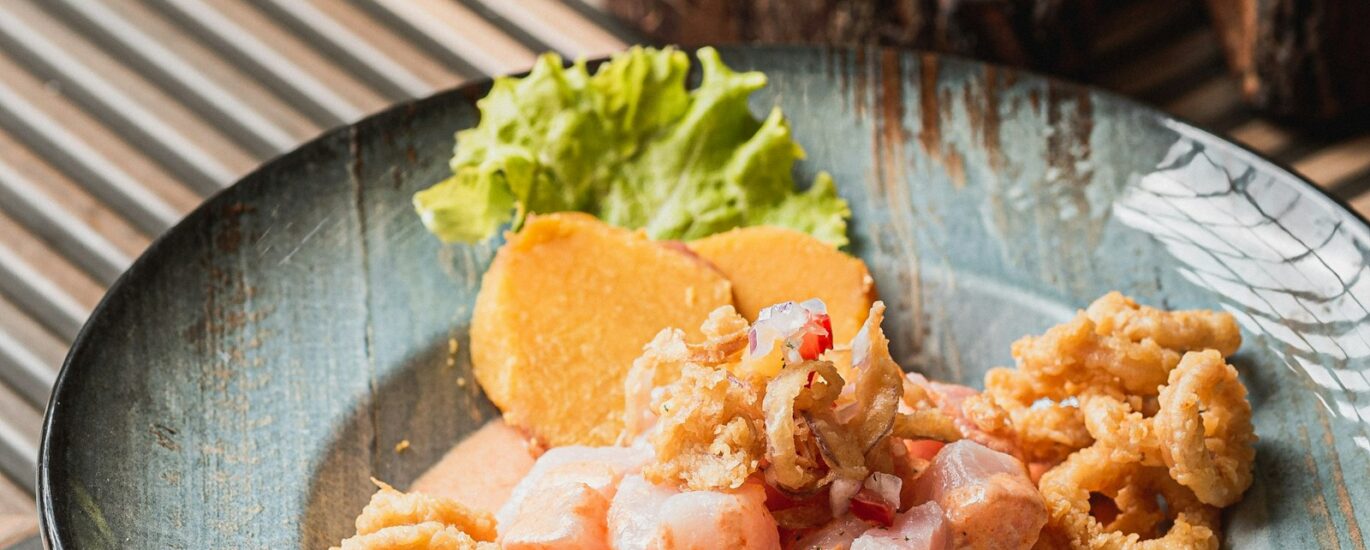
A classic Peruvian ceviche uses just a few ingredients:
- Fresh white fish, such as sea bass or sole, cut into cubes
- Lime juice from small, sour Peruvian limes
- Ají limo, a spicy pepper
- Red onion, sliced thin
- Salt and fresh cilantro
The lime juice changes the texture of the fish, making it firm and opaque. In Peru, cooks usually marinate the fish for only a few minutes, so it stays fresh and tender.
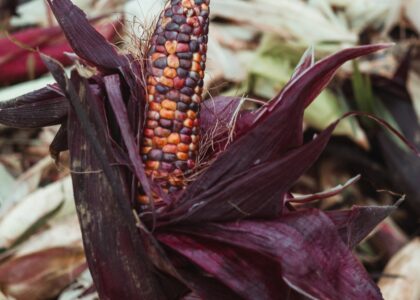
Ceviche is often served with sweet potato (camote), large-kernel Andean corn (choclo) and toasted corn (cancha). Some versions add seafood, such as shrimp, octopus or mixed shellfish.
Leche de tigre
The citrusy, spicy liquid left in the bowl is called leche de tigre, “tiger’s milk.” Many people drink it on its own. Some restaurants serve it in a small glass.
The history of Peruvian ceviche
Ancient roots
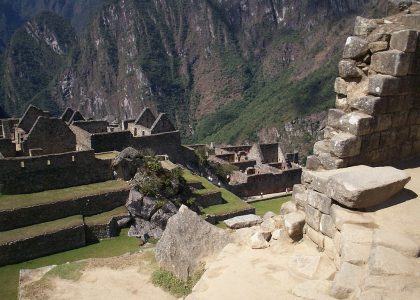
People on Peru’s coast have eaten fish for thousands of years. Historians believe early coastal cultures prepared fish with local fruits and chili peppers.
Spanish influence
After the Spanish arrived in the 16th century, they brought limes and onions, two ingredients now central to the dish.
Japanese influence
Japanese immigrants who arrived in Peru from 1899 onward influenced how Peruvians prepare raw fish. Shorter marinating times and careful knife work became common. Our post on Nikkei food and chifa explains this history.
A national treasure
Peru declared ceviche part of its national cultural heritage in 2004. The country also celebrates a national ceviche day on June 28. In 2023, UNESCO added the practices and meanings around preparing and eating ceviche to its Intangible Cultural Heritage list.
Ceviche or cebiche?
You will see the dish written as ceviche, cebiche, seviche or sebiche. All are accepted in Spanish.
How Peruvians enjoy ceviche
- Lunchtime dish: Many Peruvians eat ceviche at lunch, when the fish is freshest. Some traditional restaurants, called cevicherías, open only for lunch.
- Coastal favorite: Ceviche is especially popular in Lima and other coastal cities.
- Shared meals: Families and friends often share several dishes, such as ceviche and fried seafood.
Food safety tips for students
Raw fish requires care. On a trip, students should:
- Follow the group leader’s advice about where and when to try ceviche.
- Eat it at trusted, busy restaurants with fresh ingredients.
- Tell leaders about allergies to fish or shellfish.
- Start small if they are not used to spicy food.
Students with fish or shellfish allergies should avoid ceviche and learn the Spanish words for their allergens.
Classroom ideas
- Ingredient map: Students map where each ingredient originally came from.
- Food vocabulary: el pescado, el limón, la cebolla, el ají, el camote, el choclo.
- Compare dishes: Compare ceviche with raw fish dishes from other cultures, such as sashimi or poke.
- Recipe reading: Students read a recipe in Spanish and identify verbs in the imperative.
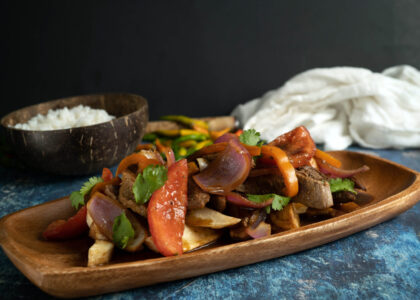
For more Peruvian dishes, see our guide to traditional Peruvian food.
Food on the Lima language immersion program
Engaged Education’s 8-day Lima program uses food to teach Spanish and culture. On day two, students take a Spanish class on food vocabulary, complete a market challenge at Mercado #1 and join a cooking class. Students also explore Miraflores, the historic center and the Barranco art district, and travel to the coast for the Ballestas Islands and Huacachina excursion. Our guide to things to do in Lima has more ideas.
FAQ
What is Peruvian ceviche made of?
Peruvian ceviche is made with fresh raw fish, lime juice, ají limo chili, red onion, salt and cilantro. It is often served with sweet potato and corn.
Is ceviche cooked?
Ceviche is not cooked with heat. The lime juice changes the texture of the fish. Because the fish is raw, freshness and food safety are very important.
Why is ceviche important in Peru?
Ceviche is part of Peru’s national cultural heritage and is recognized by UNESCO. It reflects Peru’s coastal traditions and its mix of Indigenous, Spanish and Japanese influences.
Taste Peru with your class
Peruvian ceviche helps students connect food with history, geography and identity. Our Language Immersion program in Lima includes a food vocabulary lesson, a market challenge and a cooking class. Fill out our form to learn more.
Start your journey by downloading the Engaged Education Brochure and learn more about our immersive programs in Peru, Spain, and beyond. Interested in creating lasting impact around the world? You can directly assist communities in need by becoming a monthly donor through MEDLIFE’s Moving Mountains initiative.